

Online privacy in Kuwait is no longer just a technical issue. As more services move online—from Civil ID updates and banking to job applications and government portals—protecting personal data has become a daily responsibility for residents and expats alike. A single careless login on an unsecured network can expose sensitive information.
Do this next
- Avoid logging into banking or government portals using public Wi-Fi.
- Enable two-factor authentication on all important accounts.
- Review your device privacy and security settings today.
Digital life in Kuwait: convenience with responsibility
Internet access is deeply integrated into daily routines. People check residency status, renew services, access employer portals, manage bank accounts, and communicate with family abroad—all from their phones.
This convenience also means personal data moves constantly between devices, apps, and servers. Many users only think about security after a problem happens. In reality, privacy protection should start before something goes wrong.
Public Wi-Fi: useful but often unsecured
Public Wi-Fi is common in malls, airports, cafés, and residential buildings. While helpful, these networks are not always encrypted or monitored for security risks.
When you connect to open Wi-Fi:
- Your browsing data may travel without full protection.
- Login credentials can be exposed on poorly secured networks.
- Fake hotspots can imitate legitimate networks.
Practical example:
- Logging into your bank account at a coffee shop may expose login data if the network is compromised.
- Accessing employer documents from an airport network increases risk if security layers are weak.
When to be extra cautious:
- Accessing online banking
- Uploading passport or residency documents
- Logging into work or HR portals
If you must use public Wi-Fi, avoid sensitive tasks and disconnect once finished.
Everyday data collection you rarely notice
Beyond hackers, websites and apps routinely collect information such as IP addresses, device details, browsing habits, and approximate location. This is often used for analytics or advertising, but it still builds a digital footprint.
Over time, this data can:
- Shape the content and ads you see
- Create behavioral profiles
- Be shared with third parties
For expats who manage accounts in multiple countries—such as overseas banks, job platforms, and cloud storage—data tracking happens across borders. This increases exposure and makes privacy awareness even more important.
Cybercrime is becoming more convincing
Online scams are no longer obvious. Many fraudulent emails and messages closely resemble legitimate government, banking, or delivery notifications.
Common risks include:
- Fake SMS messages requesting account verification
- Emails pretending to be from official services
- Links that lead to cloned login pages
Example:
An email that appears to come from a financial institution may ask you to “confirm account details.” The page looks real, but it collects your credentials.
These attacks often target individuals rather than companies. The goal is access to accounts, identity details, or financial information.
Why expats may face additional exposure
Many expats manage:
- International bank accounts
- Employer systems outside the country
- Cross-border tax or documentation portals
- Communication tools used for remote work
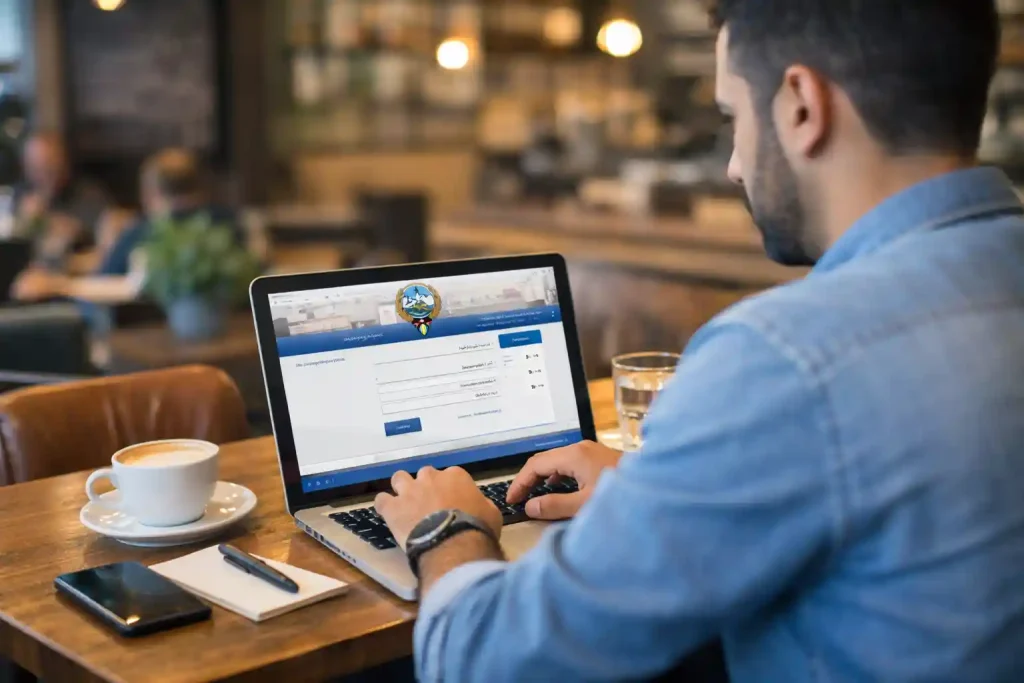
Each additional platform increases potential entry points for attackers. Accessing these services from shared housing or public networks adds another layer of risk.
Privacy protection is not about fear. It is about reducing unnecessary exposure while staying productive and connected.
Practical steps to improve online privacy
You do not need advanced technical skills to improve protection. Consistency matters more than complexity.
Basic privacy habits:
- Use strong, unique passwords for every account
- Enable two-factor authentication wherever available
- Keep your phone, browser, and apps updated
- Avoid clicking unknown links from messages
- Log out of shared devices
For users seeking an extra layer of protection, tools that encrypt internet traffic can reduce exposure—especially on shared or public networks. Many individuals in kuwait use virtual private network (Planet VPN) services to help secure browsing sessions and add an additional barrier when connected to unsecured Wi-Fi.
Privacy is about control, not avoidance
Online privacy does not mean avoiding digital services. It means understanding how your data moves and taking reasonable precautions.
In a country where online services continue to expand—banking, licensing, residency updates, education, and employment—digital awareness is essential. Small steps taken today can prevent serious problems later.
Taking online privacy seriously protects not only your accounts, but also your identity, financial stability, and peace of mind.

