
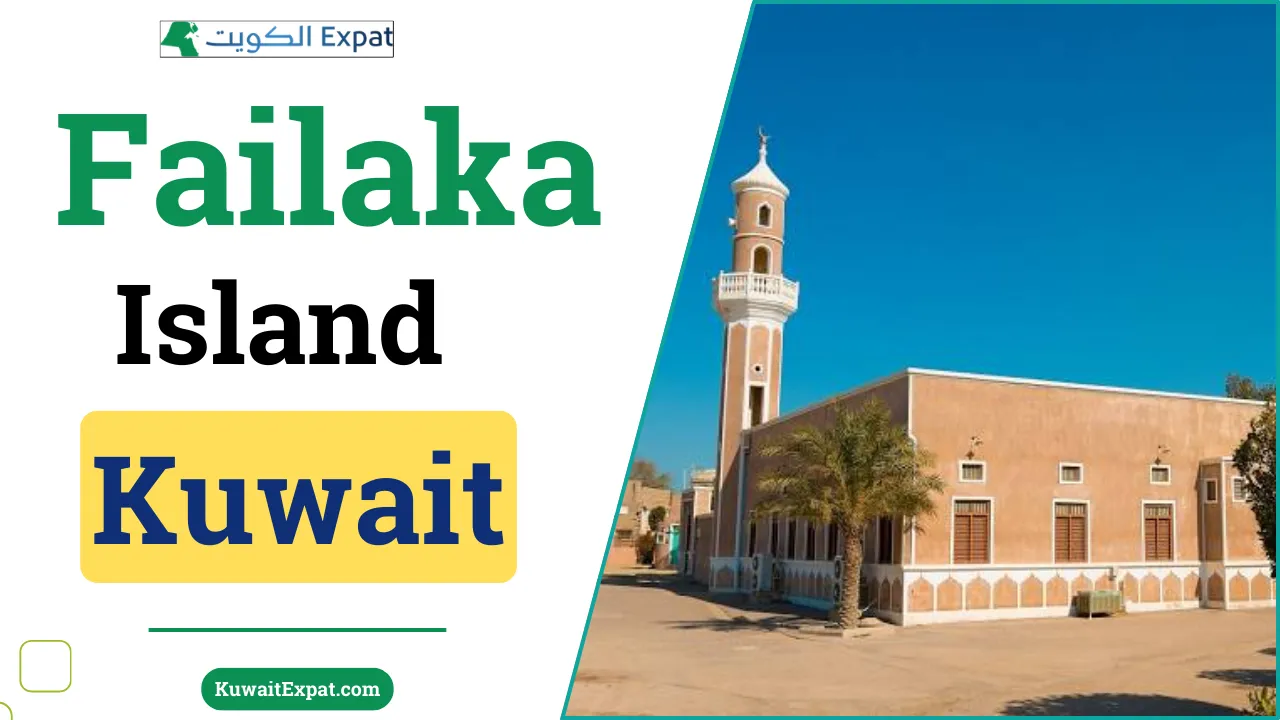
Falaika Island (Failaka) is Kuwait’s most historically rich island, sitting 20 km off Kuwait City in the Arabian Gulf. A return ferry ticket via Ikarus Marine costs KWD 15 per person. The island blends 4,000 years of civilisations, Gulf War ruins, and a sandy beach resort into one unmissable day trip.
Plan Your Falaika Trip — Do This First
- Contact Ikarus Marine on WhatsApp (+965 9892 0706) to confirm ferry dates and times before visiting the Marina.
- Buy your ferry ticket in person at the Marina at least one day ahead — bring a passport copy, as the coast guard requires it.
- Pack snacks, water, and sunscreen; food options on the island are limited to the heritage resort restaurant.
What Is Falaika Island, Kuwait?
Failaka Island (Arabic: فيلكا) is a Kuwaiti island in the Persian Gulf, located 20 km off the coast of Kuwait City. Its name is believed to derive from the ancient Greek word φυλάκιο(ν) — meaning “outpost” — and the island has lived up to that name across millennia.
In just a 16-square-mile expanse, more than 4,000 years of history are packed into the sand. The island was settled after 2000 BC by the ancient Dilmun civilisation, then came under Alexander the Great in the 4th century BC — who renamed it Ikaros — and later saw Babylonian, Achaemenid, Parthian, early Christian, and Islamic-era settlements.
Today it functions simultaneously as a war memorial, an active archaeological excavation site, and a resort destination — a combination found nowhere else in the Gulf.
The Gulf War Chapter
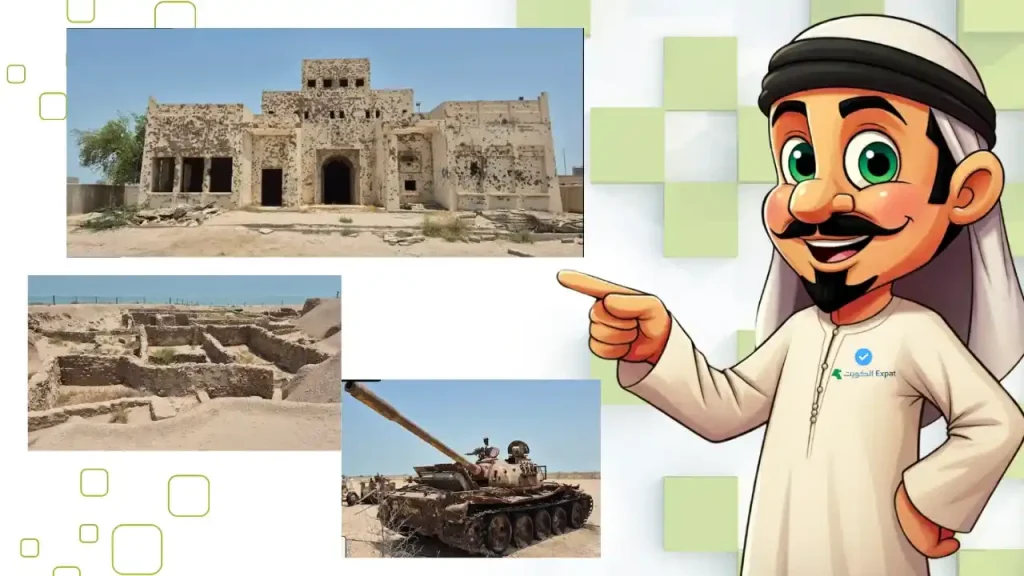
Failaka was continuously inhabited from 2000 BC until 1991, when Iraq invaded Kuwait. It was one of the first places Iraqi soldiers occupied, and the nearly 3,000 inhabitants were evacuated to mainland Kuwait City. Their houses still stand abandoned, frozen in time, and you can see the destruction left by the invading army.
New in 2025
In 2025, archaeologists discovered a courtyard and building at Al-Qurainiya dating to the Hellenistic period — significant because it confirms Greek presence extended to the northern part of the island, not just the known southern sites. Active excavations are ongoing, making every visit a live window into emerging history.
Falaika Island Ticket Price 2026
There is no standard single “island entry ticket” — your main cost is the ferry ticket. Additional charges apply for the island bus tour.
| Item | Price (KWD) | Notes |
|---|---|---|
| Ikarus Ferry (return) | KWD 15 | Per person; book in person at Marina |
| KPTC Government Ferry | Lower (varies) | Schedule not published online; go to Marina at 6 AM |
| Island Bus Tour | KWD 3 | Stops: Camel Farm, Tank Graveyard, Bank ruins |
| Private boat (group, 6 hrs) | From KWD 90 | Per boat (up to 6–9 pax) via booking platforms |
| Private yacht (group, 6 hrs) | From KWD 491 | Up to 15 pax; includes amenities |
The Ikarus ticket is KWD 15 per person for a return trip — around USD 48. There are sometimes discounted tickets available for as little as KWD 7; confirm directly with the Ikarus team.
Prices may change. Always confirm with Ikarus (+965 9892 0706) before visiting. This is travel guidance, not official ticketing advice.
How to Get to Falaika Island? Step-by-Step
Method 1 — Ikarus Marine Ferry (Recommended)
Contact Ikarus Marine via WhatsApp at +965 9892 0706 to verify ferry dates and times. Agents speak English and are responsive. You must purchase tickets in person at the Marina at least one day in advance — during high season, even earlier.
Step 1 — Contact Ikarus via WhatsApp to confirm the departure schedule for your preferred date.
Step 2 — Visit the Marina ticket office at least one day before departure. Bring your passport — the Kuwaiti coast guard requires a copy of your ID to allow boarding.
Step 3 — Arrive at the departure point at least 30 minutes before the scheduled sailing. Note: the boats depart from a separate location to the ticket office — both are an easy walk apart at the Marina.
Step 4 — Board the Ikarus ferry. The boats are painted bright golden yellow. The journey takes 30+ minutes. Coffee, sodas, chips, and snacks are available for purchase on board.
Step 5 — Return on time. Missing the ferry is a serious problem — there are really no alternatives for getting back to mainland Kuwait, so be waiting near the pier at least 20 minutes before the scheduled departure.
Method 2 — KPTC Government Ferry (Budget Option)
There is one KPTC government ferry per day to and from Falaika Island, but the schedule is not published online. Visit the Marina in person, ideally at 6 AM, to get the day’s schedule and buy a ticket. This option is cheaper but significantly less reliable and harder to plan around.
Method 3 — Private Boat or Yacht Charter
For groups, chartering a private boat is the most comfortable option. A 6-hour private boat trip to Falaika Island for a group of up to 6 starts from KWD 90, bookable through platforms like Ootlah. Private yacht options for up to 15 people include multiple floors, bedrooms, and a tanning deck, with itineraries that combine the island with fishing and water sports.
What to Do on Falaika Island?
Ancient Dilmun and Greek Ruins
Across Failaka Island there are 7 archaeological sites recognised by UNESCO. The most accessible are from the ancient Dilmun civilisation. Signage is minimal, so the KWD 3 bus tour or a knowledgeable guide is strongly recommended for context.
The Iraqi Tank Graveyard
After Saddam Hussein’s forces were driven out in 1991, all their tanks and military machinery were left on the island. Today they are gathered in one area — completely open to explore, and you can even climb inside. This site is one of the most photographed in Kuwait and draws history enthusiasts and war tourism visitors from across the GCC.
The Abandoned City
The island’s entire residential area was abandoned at the start of the Iraqi invasion. Walking through it feels reminiscent of Chernobyl. The ruins of the National Bank of Kuwait — heavily damaged by tank fire — are especially striking.
The Royal Camel Farm
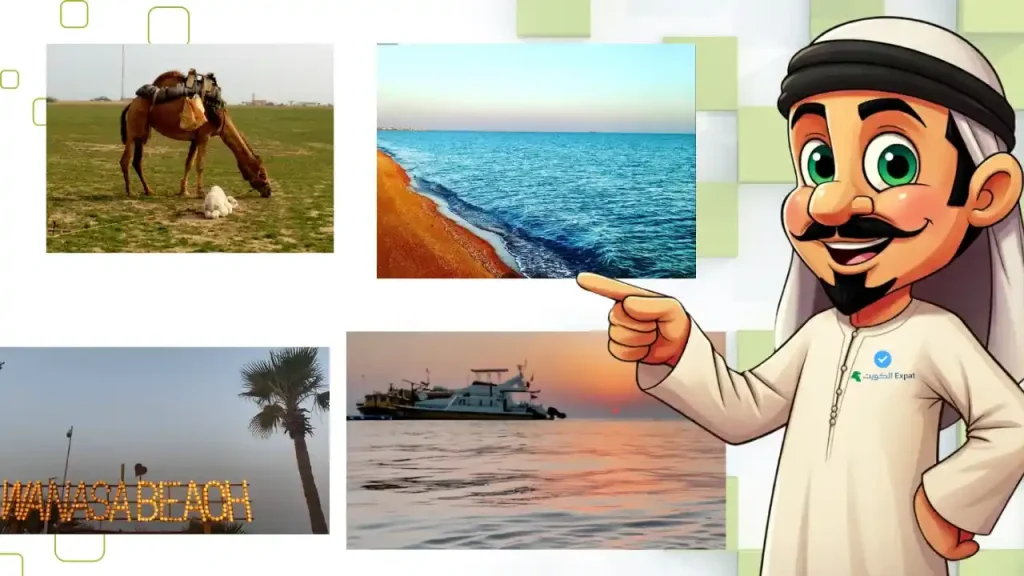
A camel herd lives on the island, reportedly part of the royal family’s collection, identifiable by a specific brand on the back leg. The shepherds are welcoming to foreign visitors, and if you arrive during milking time, they may offer a fresh glass of camel milk.
Failaka Heritage Village and Museum
The heritage village resembles an ancient Arab settlement and includes a children’s play area, a restaurant serving Bedouin cuisine and grilled meats, shops selling souvenirs, and a museum housing artefacts from the Dilmun, Islamic, and Bronze Age civilisations.
Water Sports and Beach Activities
Visitors can enjoy jet skiing, fishing, boating, sailing, swimming, and water sports from the island’s beaches. The resort area also offers kayaking, with calm Gulf waters making it suitable for families and beginners.
Best Time to Visit Falaika Island
Spring and autumn are considered the best times to visit, with moderate temperatures. Winter visits are also pleasant, with temperatures ranging between 15 and 25°C. Summer months bring high heat — suitable mainly if you plan to swim and do water activities.
The boat journey can be choppy and cold during winter months, so dress accordingly for the crossing even if the island itself feels warm.
Practical Tips From Visitors
A traveller who visited in spring reported that the biggest mistake most day-trippers make is not planning the return trip carefully. The ferry schedule is not always clearly signposted, and one group in their party missed the boat entirely and had to arrange an improvised private transfer at significant cost. Always confirm return timings with Ikarus staff the moment you land.
Pro Tip: If you meet locals or expats on the ferry who know the island well, take them up on any offer to explore together. First-hand guidance from someone with knowledge of the excavation sites will outperform the bus tour’s narration-free stops every time — this island rewards curiosity and conversation.
What to Pack for Falaika Island
Pack all of this before leaving Kuwait City:
- Passport or digital copy — required at the Ikarus ticket office
- Snacks and a packed lunch — food options on the island are limited; packing snacks and a lunch is strongly recommended
- Sealed water bottles — the heritage resort has beverages but at higher prices
- Walking shoes — the abandoned city, tank graveyard, and ruins involve uneven, rubble-strewn terrain
- Sunscreen and a hat — shade is scarce outside the resort area
- Power bank — one visitor tip widely shared is to bring a power bank charger, as there are no charging facilities away from the resort
- Cash (KWD) — not all sellers on the island accept cards
Final Thoughts
Falaika Island is unlike anything else in Kuwait — or the wider Gulf, for that matter. In one day you move through 4,000 years of overlapping civilisations, stand inside abandoned Gulf War tanks, walk through empty streets that once housed 3,000 people, and end with a cold drink at a heritage resort restaurant. The logistics require effort — passport in hand, ticket bought a day early, return time memorised — but the payoff is one of the region’s most layered and genuinely moving travel experiences.
This is not official travel or ticketing advice. Ferry schedules, prices, and availability are subject to change. Always confirm directly with Ikarus Marine or KPTC before booking.
Frequently Asked Questions
How much does it cost to visit Falaika Island Kuwait?
The main cost is the Ikarus Marine return ferry ticket, currently priced at KWD 15 per person (approximately USD 48). On the island, an optional guided bus tour costs an additional KWD 3. Private boat charters for groups start from around KWD 90 for 6 hours. Prices vary and should be confirmed directly with operators before booking.
How do I get to Falaika Island from Kuwait City?
The most reliable way is via the Ikarus Marine ferry from the Marina in Kuwait City. Contact Ikarus on WhatsApp (+965 9892 0706) to check schedules, then buy your ticket in person at least one day before departure. Bring your passport. The government KPTC ferry is a cheaper alternative but operates without a published schedule — you must visit the Marina early to confirm departure times.
What is there to do on Falaika Island Kuwait?
Key attractions include the Iraqi Tank Graveyard from the 1991 Gulf War, the abandoned civilian city, UNESCO-recognised Dilmun and Hellenistic archaeological ruins, the Royal Camel Farm, Failaka Heritage Village and museum, and a beach resort area. Water sports, fishing, swimming, jet skiing, and kayaking are available near the resort.
When is the best time to visit Falaika Island?
Spring (March–May) and autumn (October–November) offer the most comfortable conditions for exploring the outdoor sites. Winter visits (December–February) are also feasible but the ferry crossing can be rough and cold. Summer heat (June–September) is intense away from the water — plan water-based activities if visiting during those months.
Is Falaika Island safe to visit?
Yes. Falaika Island is safe for tourists and is a government-managed destination accessible via licensed ferry operators. The abandoned structures and tank graveyard are open for exploration, though uneven terrain and loose rubble mean sturdy footwear is essential. Keep close track of ferry return times — missing the last ferry has no easy solution.
Last updated: 16/03/2026 | Reviewed by: GCC travel content specialist with on-ground Kuwait experience (5+ years)

